Enter a keyword below to search for articles and products.
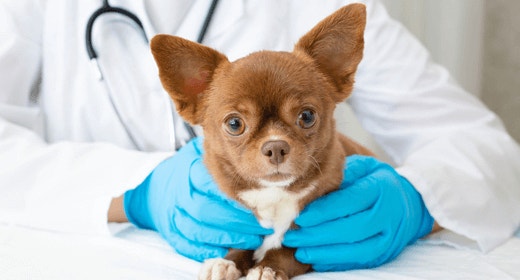
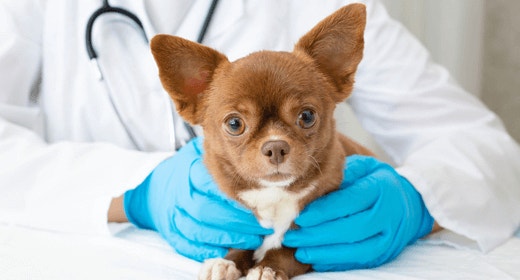
Population control is as essential for pets as it is for humans. Overpopulation by unwanted kindle of kittens or puppies is difficult to manage by caregivers. Many newborn young kittens and puppies are either put up for adoption or sent to an animal shelter. Besides, reproduction can be a tedious journey for your furry friend. Hence, it is better to get them spayed and neutered at the right time.
Spaying and neutering are medical procedures performed on dogs to stop their reproduction process. Dog neutering and spaying is one the essential medical procedures for providing care to your fur baby. There are many benefits of neutering and spaying your canine friend. To understand more about this helpful medical procedure, read the following.
A neutered or spayed dog cannot reproduce as their heat cycle is eliminated. Dog neutering is a medical procedure performed on male dogs while spaying is performed on female dogs. Veterinarian surgeons perform a surgical procedure to remove ovaries and uterus from female dogs. Besides population control, spaying also prevents uterine infections and breast cancer in female dogs. Whereas neutering is a similar procedure performed on male dogs. Neutered dogs undergo surgery for removing both testicles and associated structures. Male neutered dogs are generally believed to be more well-behaved and calmer. The surgery also stops their breeding acts such as humping and the urge to run away.
Getting your dog spayed and neutered is essential for their psychological and physical well-being and behaviour. Yet, when to spay a dog and when to neuter a puppy is a common query amongst pet caregivers. Well, it is best to get your pooch neutered or spayed at the earliest. It is best to get your fur baby neutered or spayed before it develops breeding instincts. Undergoing the procedure between 4 and 6 months is suggested. Most breeds of dogs reach redevelopment maturity around 6 months of age, yet some breeds can easily be neutered or spayed until 9 months or even after they turn over a year old. Hence, your pooch’s breed and size decide how soon it needs to be spayed or neutered.
There are numerous reasons to opt for spaying and neutering for pets. By undergoing spaying and neutering procedures, pets can achieve better physical and psychological health. Neutered and spayed dogs are known to have better hormonal balance as their reproductive organs are removed which helps in neutralizing their breeding instincts. Mentioned below are a few more reasons why you should get your pets neutered and spayed.
It is necessary to take some preventive measures to build trust and assurance before getting your pooch neutered or spayed. The following are a few things you should do to prepare your canine friend before getting it neutered/ spayed.
Neutering or spaying can typically take anywhere between 20 to 90 minutes depending on the size, breed, and health of your pooch. As a pet parent, you need to ensure the best care and support for your fur baby to ensure its complete and stress-free recovery post-surgery. Puppies and dogs often take up to 10 to 14 days to recover after getting neutered or spayed. The following are a few things you should do to ensure your puppy recovers well after getting neutered or spayed.
Your pooch needs to relax and rest well to get back to its bubbly mood as soon as possible. Resting is especially required for healing the surgery scars. It is suggested to avoid letting them run or jump right after surgery. You should also puppy-proof your house to limit any potential mishaps to protect them post-surgery.
Puppies and dogs tend to fight for socialising. However, post-surgery recovery requires your fur baby to relax and recover. Mingling with other animals increases their chances of getting into minor accidents which can potentially increase their recovery time. Hence, it is best to limit your pet’s interaction with other animals until it has fully recovered.
Do not bathe your pooch for at least 10 days post-surgery. This is to prevent their wound from getting wet and infected. It is also necessary to change the wound’s dressing to keep it clean and hygienic post-surgery.
You need to keep a close tab on the pooch’s recovery. Arrange for a vet’s appointment for conducting regular checkups and dressing changes. You should also check for redness, swelling, discharge, odor, and uneasiness to prevent infections and allergies.
Make sure the pet eats well and is in stable condition once it is back home. Get in touch with your vet immediately if you notice the pooch vomiting, not eating well, or if it suffers from diarrhea. You should also look out for signs of lethargy and discomfort during the recovery period.
Managing the population is essential for strays as well as pets. When you get your pets neutered and spayed, you eliminate their chances of contributing to the overpopulation of dogs. Besides, spaying and neutering also help in managing your pooch’s aggression and urge to run away by controlling their hormones and making them calmer. Neutering and spaying also save your pooch from falling prey to infections and fatal illnesses like cancer. Hence, it is best to get your canine friend neutered or spayed at the earliest by consulting a vet.
Female puppies can be spayed once they turn 6 months old. In general, it is best to spay your pooch before its first heat. However, you can choose to get it spayed even after they start experiencing heat cycles.
Spaying and neutering help in controlling the pet population as well as improving the pet’s overall behaviour and health.
It is best to neuter a male dog between the ages of 6 to 9 months. Caregivers should consult a vet to know the ideal age suitable for their fur baby’s size, breed, and health.
Your pooch will feel no pain during the neutering/ spaying surgery as they are put under anesthesia. However, some pets may feel little discomfort during the post-surgery recovery period.
Minor anxiety, aggression, clinginess, and depression are a few short-term side effects of neutering and spaying. Please consult a vet at the earliest if these signs do not subside within 10 to 14 days after the surgery.


Rabies is one of the most serious health risks every pet parent must be aware of. In puppies primarily, this disease can manifest itself in particularly severe forms and often goes undiagnosed until it has already progressed to its later stages. Understanding the signs and symptoms of rabies in puppies can help you act as quickly as possible if your beloved pup ever becomes infected with this potentially fatal virus. Please continue reading to learn more about what rabies is, how it presents itself on a physical level, and which treatments may help save the lives of affected puppies.
Rabies is a viral infection that affects the nervous system of animals, including humans. It is transmitted through the saliva of an infected animal, usually through a bite or scratch. Symptoms include fever, headache, muscle spasms, and paralysis. If left untreated, it can lead to coma and death. Vaccination is the most effective way to prevent rabies.
Puppies can contract rabies just like any other animal, but they are generally not at high risk for it unless they are exposed to a rabid animal or live in an area where rabies is prevalent.
It is important to be aware of the signs of rabies in puppies so that you can take the necessary steps to protect your furry friend from this lethal virus. Some of the most common symptoms of rabies in puppies include:
These behavioural changes are often the first sign that rabies may be present in a puppy. Caregivers should watch for any aggressive behaviours or if their normally outgoing puppy appears withdrawn or unusually timid.
Suppose a puppy begins to lose its appetite or has trouble drinking water. In that case, this can indicate that it is infected with rabies.
Rabies can make a puppy appear disoriented and cause them to stumble when they walk.
A puppy infected with rabies may have difficulty controlling its muscles and suffer from paralysis in some areas of the body.
This is one of the more noticeable signs of rabies in puppies and is caused by the virus paralyzing the muscles controlling swallowing.
Puppies infected with rabies may make different sounds when barking or growling, such as a higher-pitched tone or a more strained voice quality.
Puppies with rabies may be overly fearful of water, even if they usually enjoy swimming or walking by the river.
Rabies can cause violent tremors and seizures, which can indicate the virus.
A puppy infected with rabies may have difficulty breathing as well as experience a choking sensation.
Rabies is a fatal virus that can cause the nervous system's deterioration, leading to death in some cases.
Pet owners must be aware of these signs of rabies in puppies, so they can seek immediate medical attention if their pet shows any of the symptoms listed above.
Several factors can contribute to rabies in puppies, such as:
Rabies is a viral infection that can be transmitted through the bite of an infected animal such as a bat, raccoon, skunk, or fox. Scratches from an infected animal too can cause rabies.
Rabies can also be transmitted through contact with an infected animal's saliva such as through a lick from an infected animal.
Occasionally, rabies can be transmitted from an infected mother to her puppies before or during birth.
Puppies that have not been vaccinated against rabies are at higher risk of contracting the disease.
Poorly maintained or unsanitary living conditions can increase the risk of puppies contracting rabies.
It is essential to get your puppy vaccinated against rabies as soon as possible. This disease can be fatal if not treated promptly and can also be transmitted to humans.
To prevent rabies, your puppy should receive a series of vaccinations at the following ages:
It is also important to keep your puppy up to date on all other vaccinations, including those for distemper, parvovirus, and hepatitis.
Before vaccinating your puppy, check with your veterinarian to determine the best vaccination schedule. Your veterinarian will also be able to provide you with more information on the risks and benefits of vaccination.
While vaccination is the ultimate prevention for your puppy, here are a few additional steps you can take to keep rabies at bay:
Rabies can be transmitted through bites or scratches from infected animals. Therefore, it is important to keep puppies away from wild animals, especially stray dogs and cats.
This will help prevent them from coming into contact with wild animals and other dogs infected with rabies.
Symptoms of rabies in puppies include lethargy, fever, loss of appetite, and changes in behaviour. If any of these symptoms are observed, it is crucial to contact a veterinarian immediately for further evaluation and treatment.
This will prevent them from coming into contact with wild animals and other dogs infected with rabies. If you must take puppies outside, supervise them closely and keep them on a leash.
Although rare, the possibility is real. To protect against this potentially fatal virus and quell any worries you may have, get your furry friend vaccinated with a rabies shot as soon as possible! If you are still concerned about their health after the vaccine, don't hesitate to consult a trusted veterinarian for advice.